Under anger
On the pain of disappointment, and finding center

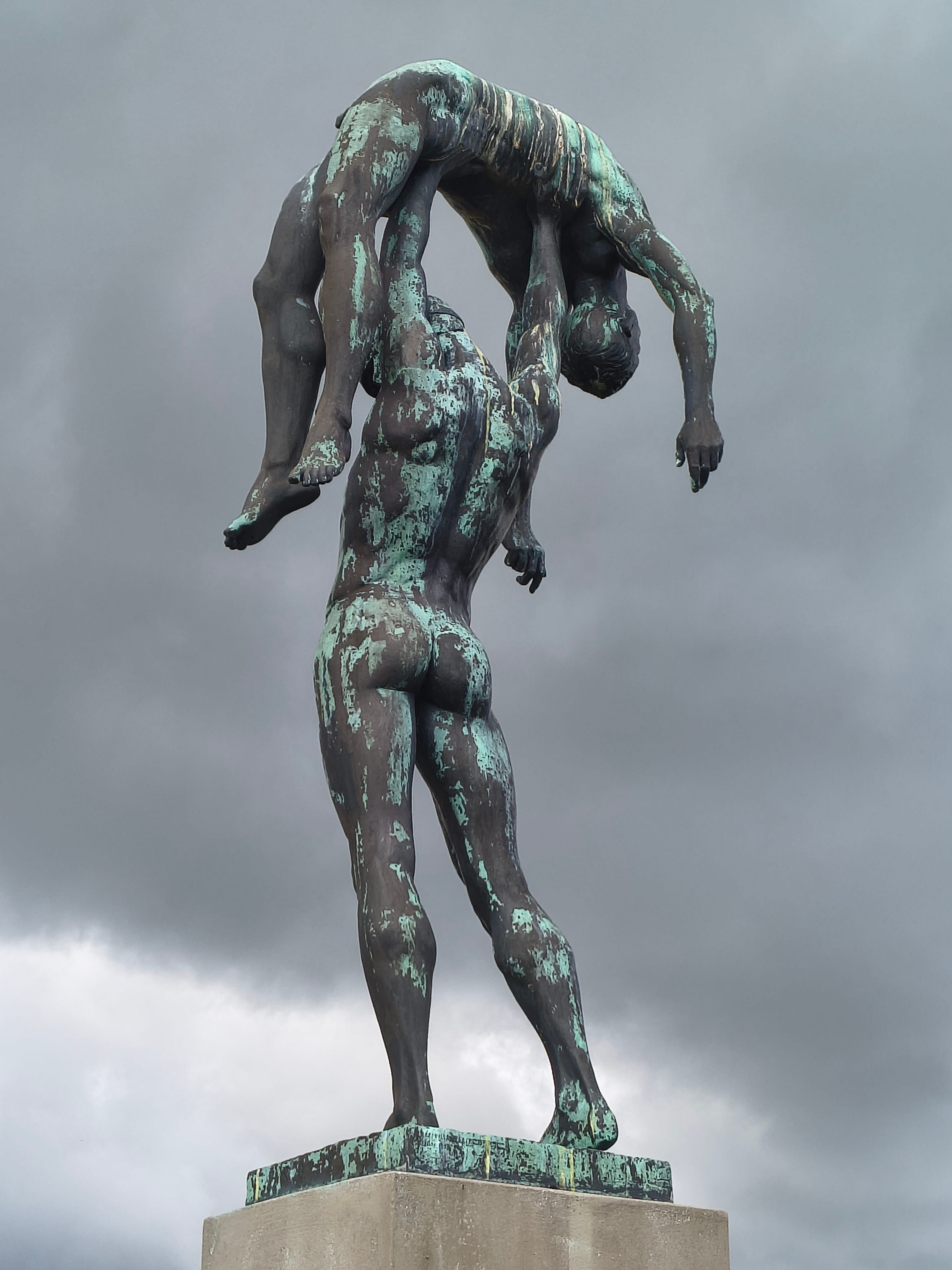
Anger leads to pain. Pain leads to our center.
Anger
Someone I’ve known for more than half of my life has changed. Or so it seemed. Rather than them, my view of them has changed. For years, love had made me see some aspects of who they were as not ideal, yet unproblematic. I needed to part ways with them to realize that, in reality, “unproblematic” was “unacceptable”.
Self-centeredness, avoiding relating to the feeling of others, focusing on their own needs before all others’… To a certain degree, all these aspects sound healthy. Believe me, I am spending a lot of effort to discern if and where I might be over interpreting and still judging them too much. I am still unsure, but the distance that the separation created is helping me realize what had always been there. Love had just made me blind.
The veil has now lifted. It now feels like someone I know and have loved dearly stabbed me in the chest. The pain is hard to describe.
Tears flowed massively, out of control. If I felt rinsed, I also felt put down to the ground, unable to move and stand up again. My eyes hurt. They became red to a point where I could barely keep them open. Maybe this is the price to pay to see clearly: a new reality—a reality painful to watch—appears. This person was not who I thought they were. Or maybe I am not who I thought I was anymore.
The anger is still present, obviously. It is tainting my world view. I spent decades to repress the slightest impulse of anger. Until now. I can’t hold it down anymore. The messy geyser of rage is rushing up and splashing all around.
Pain
Obviously, this talks less about them than it does about me. At least as much pain, if not more, comes from me recognizing that I had allowed, even enabled, their behavior all along. They mainly thought about and acted based on their own interest and benefits, and for years I supported that. I acted accordingly, perhaps out of a huge lack of self-love, a desperate call for love, a childhood wound that planted the belief that self-sacrifice equals meaningful purpose. I thus positioned myself second, nearly always. Ouch. Yet yes, I did that to myself.
Distance has unleashed the pain. Love needs to come from somewhere else.
I feel lonely.
No, they haven’t changed. I changed my view. I unveiled what kept obstructing it for a long time.
Realizing who people are, especially those we love dearly, takes some distancing. Perhaps this is what our teenage years’ rebellion against our parents is about: a healthy distancing, so we can more clearly see their shortcomings and make life choices according to ourselves and not them. Being on the verge of adulthood and potential independence, the inner teenager wakes up and starts to question: who are you, really?
The discernment falls onto distinguishing what is theirs from what is ours. What to forgive, what to accept. What to let go of or move away from. What to change ourselves. However, it all starts with believing in our own independence: our ability to stand on our two feet. The other is a plus, not a need.
The same applies to the relationship to ourselves. Distancing is what allows us to see who we are, what needs to change, what ought to go, or what to forgive.
Meditation, therapy, journaling, or wandering in nature’s immensity… Distance they bring comes through presence. Presence is what clarifies, unveils, and reveals.
I am aware that no separation is easy. I am also aware of how seductive blaming others is. At the same time, I wonder how to allow anger, in the first place, if no one is to blame? Something, or someone, has to trigger it.
Yet the key is not to stop there but to move past the blame. The key is to feel. Shock, sadness, anger, betrayal. Anger continues until it reveals what is ultimately underneath: pain.
Center
From the many years I spent in spiritual circles, I learned to seek equanimity. To refuge away from the “plague” of anger and hate. Certainly, judgement and reactivity reinforce the belief of separation if one stops there. The suffering-inducing dichotomy of “me vs. them”, it’s their fault, I am a victim, which foster and perpetuate conflicts of any sort—and any size.
I am discovering a new paradigm. First, I need to lift the lid and allow anger. Yet I also need presence to let anger move through me and show me what it truly covers. Perhaps, only then, anger turns into pain, pain turns into strength. Eventually, anger grants me the will to stand up for myself instead of attacking whoever (or whatever) I’m mad at. I see the track nicely traced ahead; but it is heard to follow and stay on.
I had not met the pain of disappointment before: a unique quality of emptiness, disarray, combined with thick confusion and hopelessness. At the same time, disappointment is also teaching me the value of finding one’s center again. I am experiencing what remains when a pivotal aspect or person in our life collapses or disappears.
Anger has led me to my center, but only when I gave it full permission to lead me to its core. Anger carries pain. And pain can lead us to the potent, refreshing wisdom that is unique to our own center. Our vehicle, for the entire journey, is presence.